
 ZH_CN
ZH_CN

 Products > Fast breaking and fast protection products > LH700 fault current fast identification and protection device
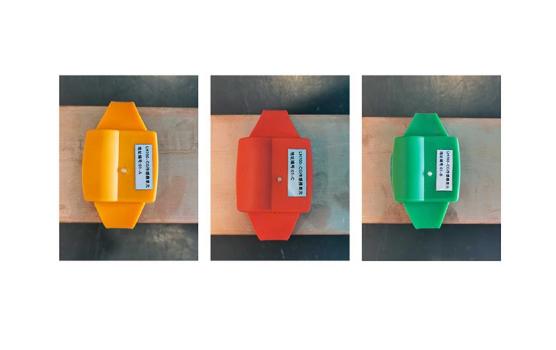
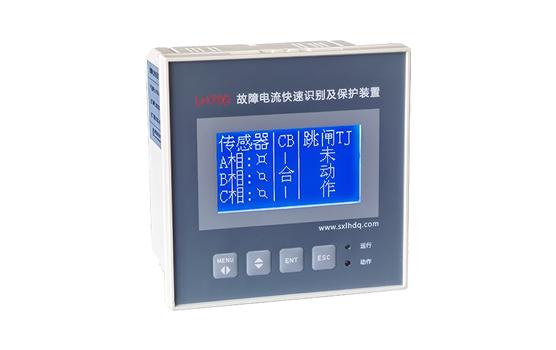
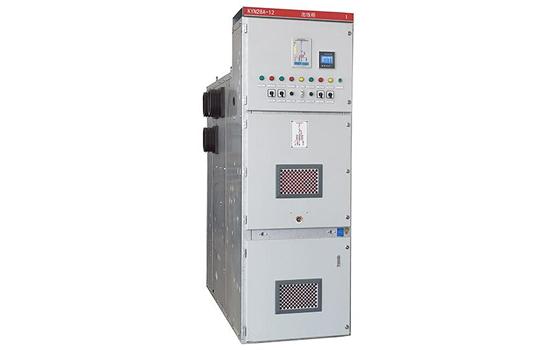
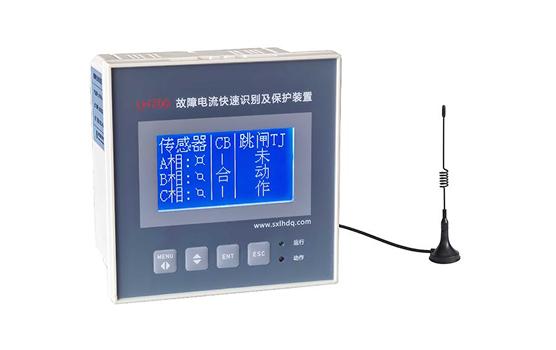
The LH700 fault current rapid identification and protection device for 40.5kV and below high-voltage distribution systems does not require the configuration of traditional current transformers, nor complex secondary wiring. It can identify the fault current at the instant of a fault occurrence and activate the relay contacts to trip the faulty feeder circuit breaker for automatic isolation of the fault point, or provide a fault indication for later troubleshooting.
Basic composition:
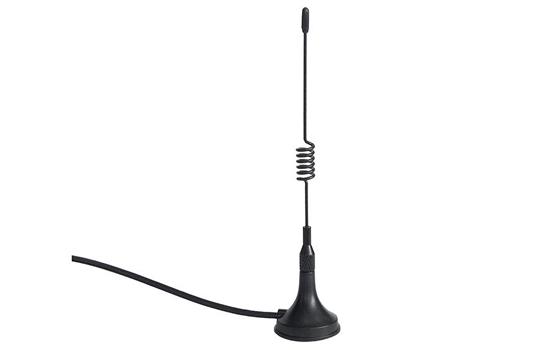
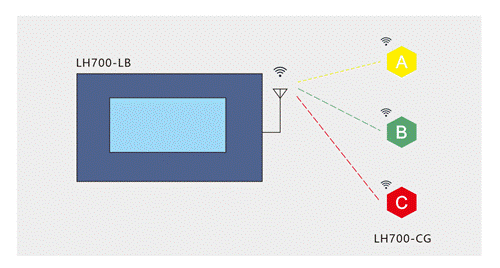
A set of LH700 fault current rapid identification and protection device includes 3 fault current recognition modules LH700-CG (sensor units) and 1 linkage protection unit LH700-LB. The fast fault current recognition module communicates with the linkage protection unit using an IoT wireless module.
Introduction to the Principle of LH700-CG:
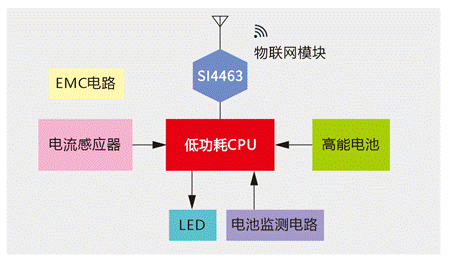
The schematic diagram of LH700-CG is shown in the figure below. The current sensor can set the response threshold for fault currents and input the pulse signal corresponding to the fault current into the low-power CPU. The CPU confirms the fault signal and sends a fault code outward through the IoT chip. A single fault process will send two consecutive fault codes to ensure the reliability of wireless transmission. The dual-color LED flashes intermittently to indicate the working status of the sensor unit. The battery monitoring circuit is used to detect the capacity of high-energy batteries. If the capacity falls below the set value, an alarm signal is sent out through the IoT chip.
Introduction to the principle of LH700-LB:
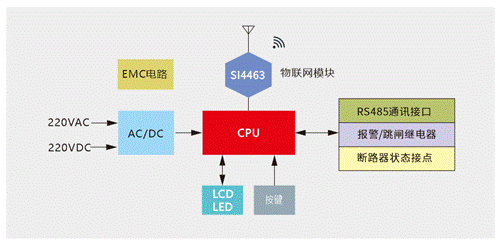
The linkage protection unit LH700-LB uses an IoT chip to collect status signals from phases A, B, and C LH700-CG. After parsing and logical operation, it provides fault indication or alarm, and outputs corresponding relay contacts. Users can use the relay contacts to actuate the circuit breaker of the faulty feeder, thereby automatically isolating the fault point.